March 31, 2026
The sandblasting industry plays a crucial role in various sectors, offering comprehensive surface preparation services that enhance the efficiency and lifespan of structures and machinery. Choosing the right company is paramount; not only does it impact the quality of work but also ensures the safety and satisfaction of both client and contractor. This article delves into key aspects one should consider when selecting a sandblasting service provider, shedding light on industry practices, service expectations, and how to make informed decisions.
1. Understanding Sandblasting Services
a. Types of Sandblasting Techniques
Sandblasting encompasses several techniques that cater to different surface preparation needs. Traditional abrasive blasting uses granular materials like sand or glass beads, ideal for tough cleaning and coating removal tasks. Wet blasting minimizes dust, combining abrasive materials with water, making it suitable for sensitive environments. Vapor blasting is a variation of wet blasting, offering a gentler clean with reduced media usage. Laser blasting, a recent advancement, uses laser beams for precise applications, mainly on delicate or complex surfaces.
b. Industries Utilizing Sandblasting
Various industries leverage sandblasting for its efficiency and effectiveness in surface treatment. The automotive and aerospace industries use it for paint stripping, rust removal, and surface texturing required for bonding processes. In the construction sector, sandblasting prepares surfaces for new coatings and extends the life of building materials. Marine and oil industries depend on it for routine maintenance that protects metal structures from corrosion. Even the art world employs sandblasting for etching and engraving intricate designs on glass and other materials.
c. Important Terminology
Understanding common sandblasting terminology is beneficial for clients engaging with service providers. “Media” or “abrasives” refer to materials used in blasting, such as sand, glass beads, or steel grit. “PSI” denotes the pressure level at which the abrasive material is propelled, critically affecting cleaning efficiency. “Nozzle” is the component directing the abrasive material and determines spread and speed. The term “substrate” refers to the surface being treated, and choosing the right technique often depends on its composition. “Masking” involves covering areas to shield them from blasting, ensuring only intended surfaces are treated.
d. Health and Safety Precautions
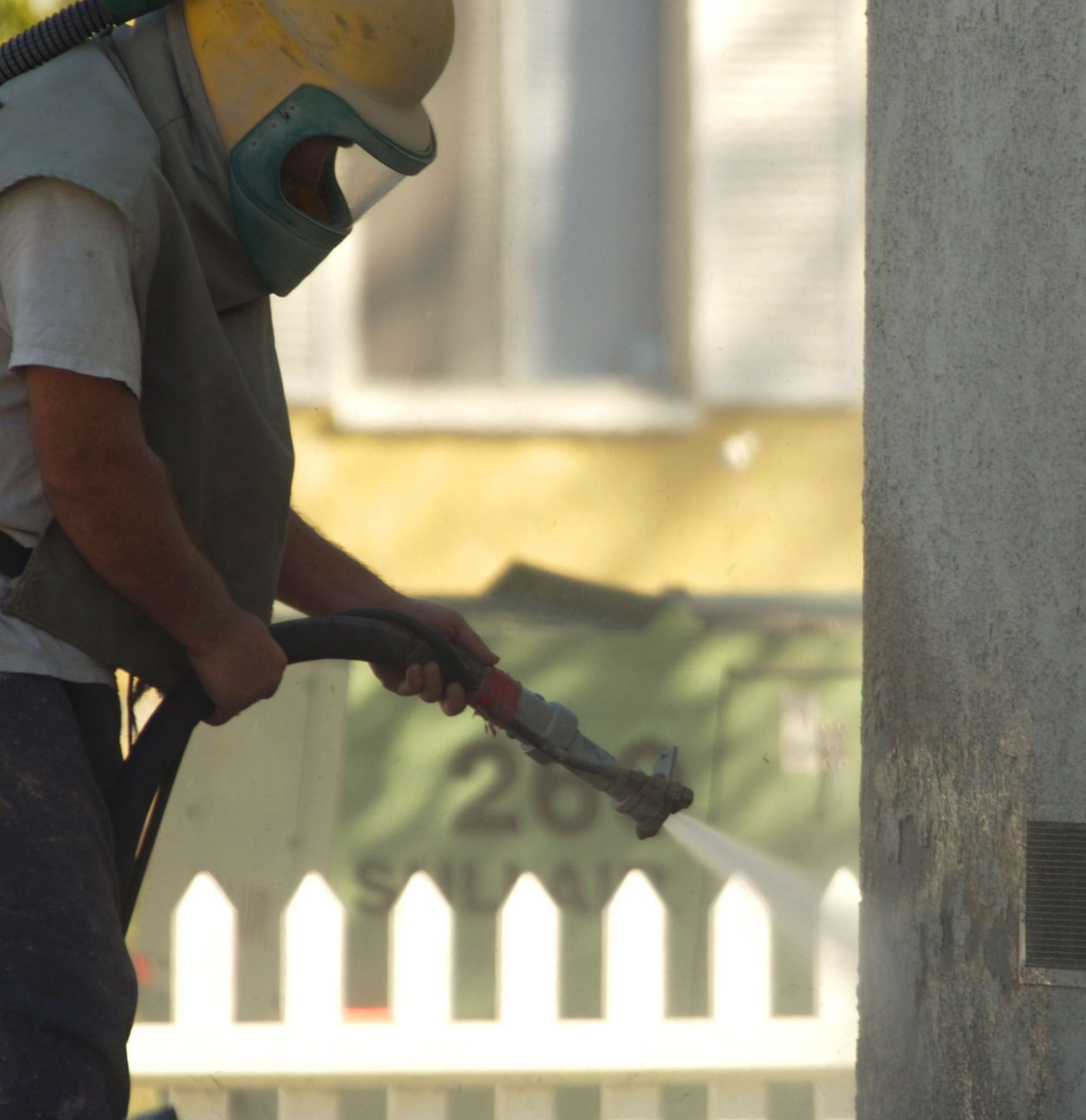
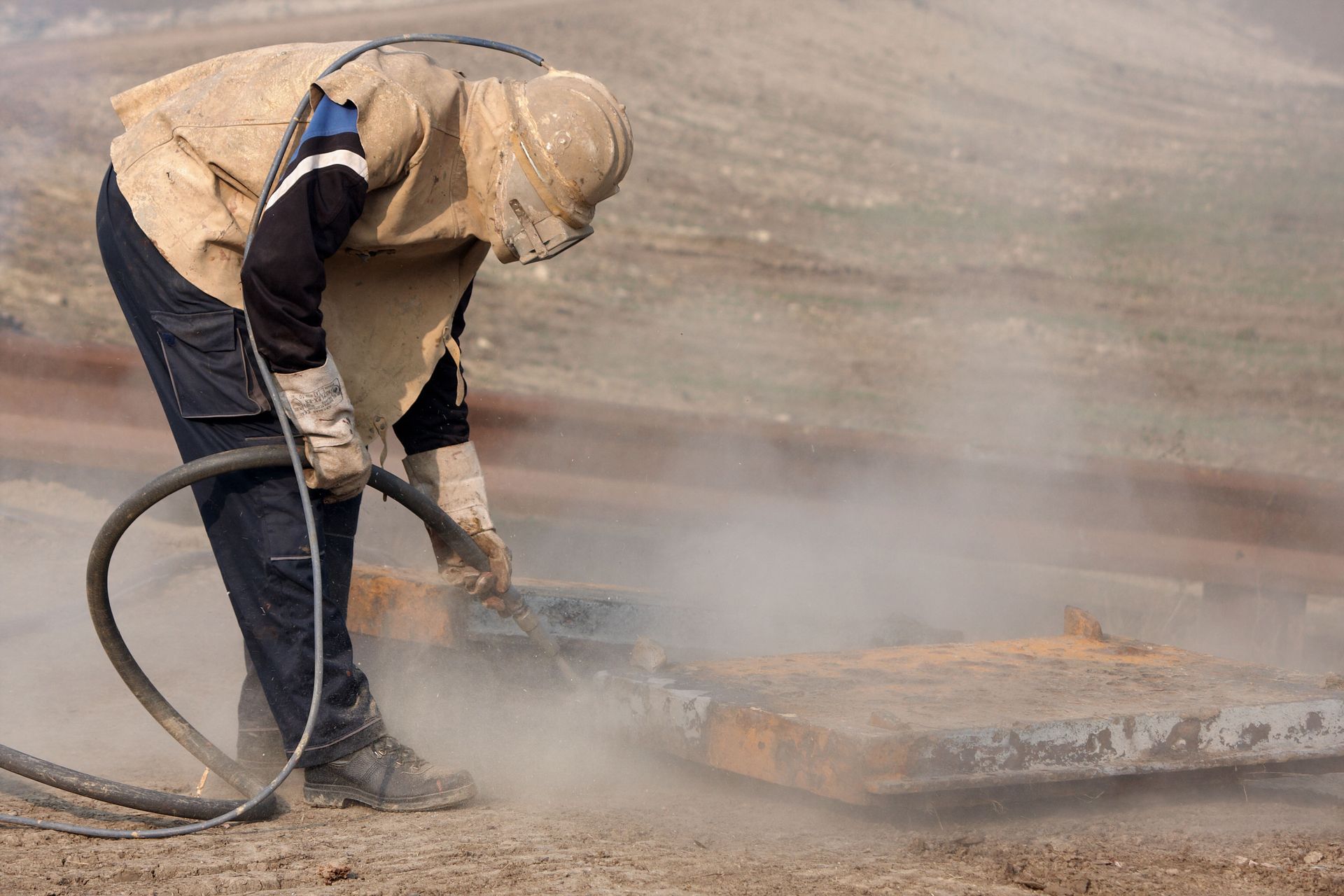
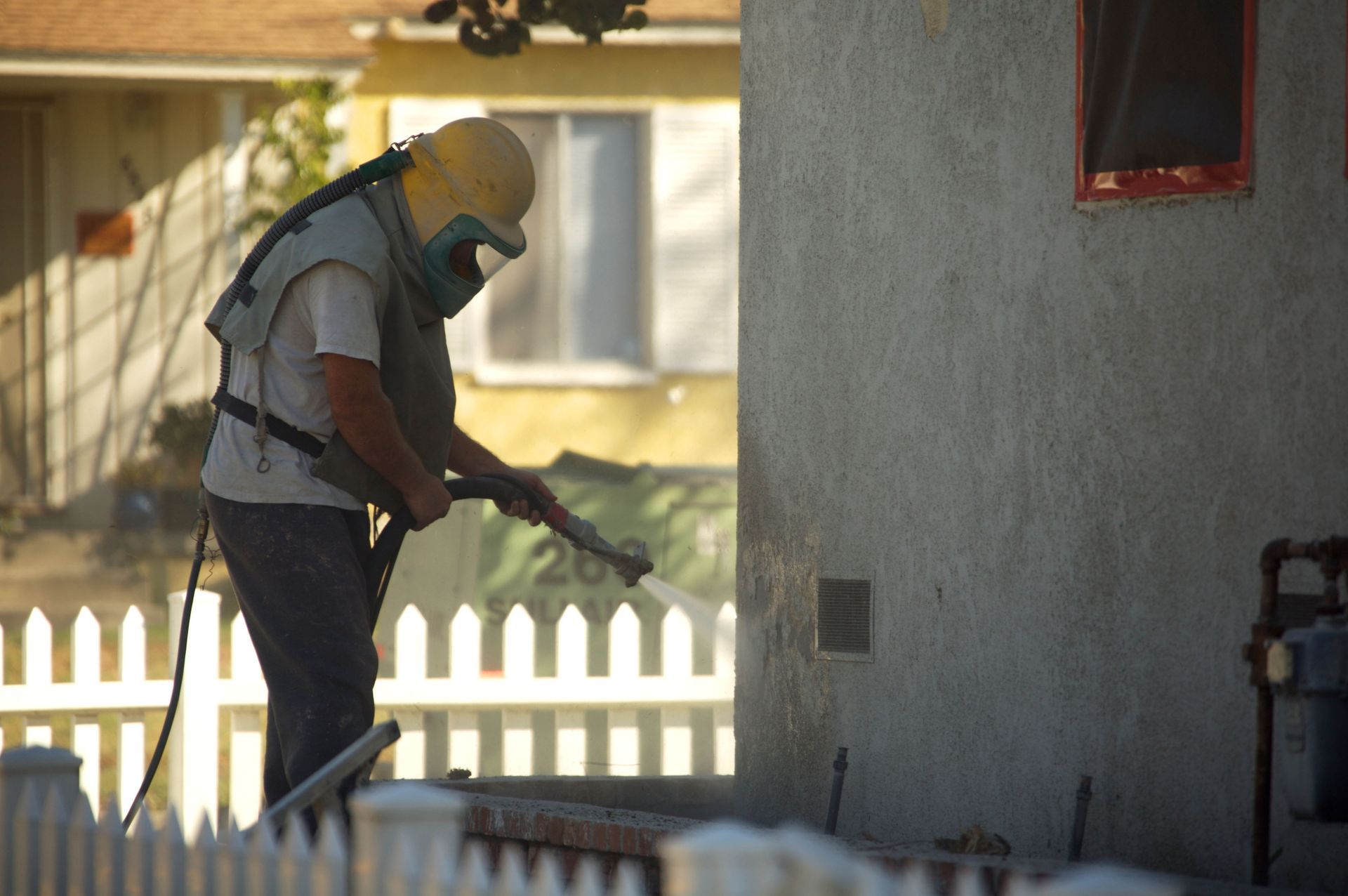
Safety is a cornerstone of sandblasting operations due to the inherent risks involved. Personal protective equipment (PPE), such as masks and protective suits, minimizes exposure to harmful dust and particles. Compliance with OSHA standards ensures workplaces are safe, mandating proper ventilation and dust collection systems. Technicians trained in emergency procedures can promptly address any accidents or injuries. Additionally, professional companies extend safety measures to their clients, such as advising occupants to vacate work areas during blasting.
e. Environmental Impacts
Environmental considerations are increasingly influencing sandblasting practices. The choice of media affects waste management, prompting many companies to opt for biodegradable or recyclable materials. Advanced containment systems capture and reuse spent media, reducing waste and pollution. Wet and vapor blasting techniques are favored for reducing airborne dust and contaminants. Companies committed to eco-friendly practices can often provide certificates and documentation highlighting their environmental compliance. According to Bob Vila, it's common for sandblasting technicians to cover and protect the surrounding area within 30 feet of the blasting location when working on a homeowner’s property to minimize environmental impact.
2. Evaluating Company Credentials
a. Certification and Licenses
Credentials such as certifications and licenses serve as indicators of a company’s competency and commitment to quality. A licensed company adheres to industry regulations, ensuring safety and professionalism. Certifications from reputable bodies demonstrate a mastery of specific techniques or adherence to environmental standards. Clients should verify these credentials, often listed on a company’s website or available upon request. Regular audits or renewals of certifications indicate ongoing adherence to best practices.
b. Industry Experience and Reputation
A company’s longevity in the business often correlates with its experience and reliability. Established firms likely have a proven track record and can handle diverse project requirements. A good reputation is built on consistent, quality service and client satisfaction. Potential clients can gauge reputation through online reviews, industry forums, or recommendations. Investigating past projects or speaking directly with former clients can provide insights into a company’s operational standards.
c. Professional Associations Membership
Membership in professional associations signals a company's dedication to professionalism and industry engagement. These organizations provide continual education, keeping members informed about the latest advancements and industry standards. Membership often requires adherence to a code of ethics, promoting integrity and quality. Clients can inquire about association memberships and verify this information through the association’s directory. Engaged companies are typically proactive in adopting industry innovations and improvements.
d. Client Testimonials and References
Reviews and testimonials offer firsthand accounts of a company’s service quality and reliability. High praise from previous clients can indicate excellence in areas such as customer service, project delivery, and problem-solving. Detailed references allow potential clients to ask specific questions about project management and challenges encountered. Companies confident in their reputation will willingly provide contact information for references. Analyzing both positive and negative feedback helps form a balanced perspective of a company’s capabilities.
e. Awards and Recognitions
Awards signify a company's excellence and contributions to the industry, whether in innovation, quality, or customer service. These recognitions can come from industry bodies, trade publications, or community organizations. Displaying awards on promotional materials boosts credibility and differentiates the company from competitors. Clients should consider awards relevant to their project needs, such as those for sustainability or technological innovation. These distinctions often reflect long-term commitment and leadership in the field.
3. Equipment and Technology Used
a. Types of Blasting Materials
The choice of blasting material affects the outcome and efficiency of a sandblasting project. Sand remains a popular choice for its availability and cost-effectiveness, ideal for aggressive cleaning. Glass beads provide a gentler alternative, polishing surfaces without causing damage. Specialty media like aluminum oxide or silicon carbide offer precision for intricate or challenging tasks. Using the correct material ensures optimal results, with minimized risk to the substrate.
b. Latest Technological Advancements
The sandblasting industry has seen numerous technological advancements that enhance efficiency and safety. Automated systems reduce labor needs, ensuring precise, consistent results across large-scale projects. Laser cleaning is becoming popular, offering a non-abrasive option for delicate or precise applications. Innovations in media recovery and recycling systems minimize waste and environmental impact. Companies investing in state-of-the-art technology can offer faster, high-quality results, often at a reduced cost.
c. Maintenance and Quality of Equipment
The quality and maintenance of equipment significantly influence project outcomes and safety. Well-maintained machinery operates more efficiently, reducing downtime and work delays. Regular inspections and repairs prevent malfunctions and extend equipment lifespan. Investing in high-quality equipment reflects a company’s commitment to delivering superior service. Clients should ask about a company's maintenance protocols to ensure reliability and safety are prioritized.
d. Adaptability to Project Needs
Adaptability is crucial in addressing diverse project requirements and obstacles. A competent company assesses the specific needs of a project, adjusting equipment and techniques accordingly. This flexibility can accommodate unique substrates, environmental considerations, or deadline constraints. Customized solutions stem from comprehensive consultations, ensuring client expectations are met. Companies adept at adapting often have a broader skillset, enhancing their service offerings.
e. Transportation and On-Site Equipment
Transportation of equipment is a pivotal step for any on-site sandblasting project. Portable equipment needs to be securely moved to prevent damage and ensure operational readiness upon arrival. On-site setups must be thoughtfully planned to maximize efficiency and safety. This includes strategic positioning, proper containment measures, and effective barriers. According to industry best practices, technicians often cover and secure areas within 30 feet of the blasting location, protecting surroundings from debris and media.
Selecting the ideal sandblasting company involves evaluating multiple facets, from service scope to safety practices, ensuring quality and satisfaction. Understanding services, verifying credentials, assessing technology, contemplating costs, prioritizing customer service, and assuring quality are essential components of the decision-making process. By carefully considering these elements, clients can choose a provider who meets their unique needs, resulting in successful and lasting project outcomes. Be sure to reach out to K & S SandBlasting today for more information on one of the top sandblasting companies!