March 5, 2026
Choosing the right local sandblasting company plays a major role in the success of any surface preparation project. The quality of the finished work, overall safety, environmental compliance, and long-term durability all depend on the contractor you select. Sandblasting is a specialized service that requires proper equipment, skilled technicians, and strict adherence to safety regulations. Making an informed decision helps prevent costly mistakes, project delays, and surface damage.
According to Grand View Research, the global sand blasting machines market size was estimated at USD 477.2 million in 2023 and is projected to reach USD 638.7 million by 2030, reflecting increased investment in equipment and technology, which makes choosing a well-equipped and experienced local sandblasting company more important than ever. By carefully evaluating experience, credentials, and communication practices, you can ensure your project is handled efficiently and professionally.
Understanding Your Project Needs
Identify the Type of Sandblasting Required
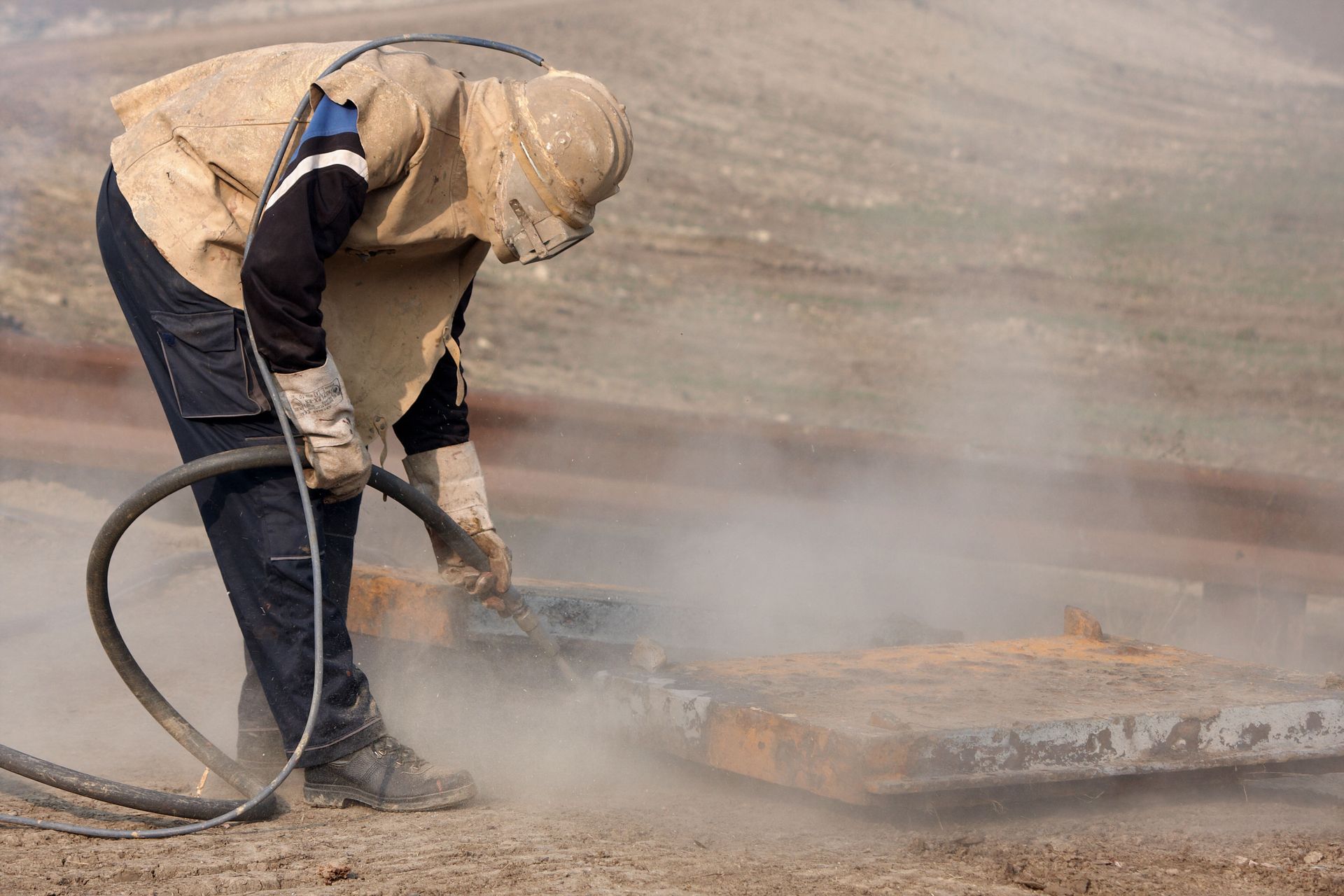
Every sandblasting project requires a specific approach based on the desired finish and surface condition. Wet blasting, dry blasting, and dustless methods each serve different purposes and materials. Knowing whether your project requires light surface cleaning or aggressive coating removal helps narrow down the right contractor. A qualified local sandblasting company should be able to explain which method is best suited for your needs while minimizing surface damage and environmental impact.
Determine the Material to Be Sandblasted
The type of material being treated directly affects the abrasives, pressure levels, and techniques used. Metal, concrete, wood, and masonry all respond differently to sandblasting. Without proper assessment, surfaces may become etched, warped, or weakened. Experienced professionals evaluate material composition before work begins, ensuring safe and effective treatment. Accurate material evaluation allows the contractor to tailor their approach and achieve consistent results.
Assess the Scale and Timeline of the Project
Project size and complexity influence equipment requirements, labor needs, and completion timelines. Larger or more intricate projects often demand specialized machinery and additional manpower. Establishing a realistic timeline early ensures that expectations align with the contractor’s availability and capacity. A reliable sandblasting company will discuss scheduling openly and help plan milestones that prevent unnecessary delays.
Consider Environmental and Safety Concerns
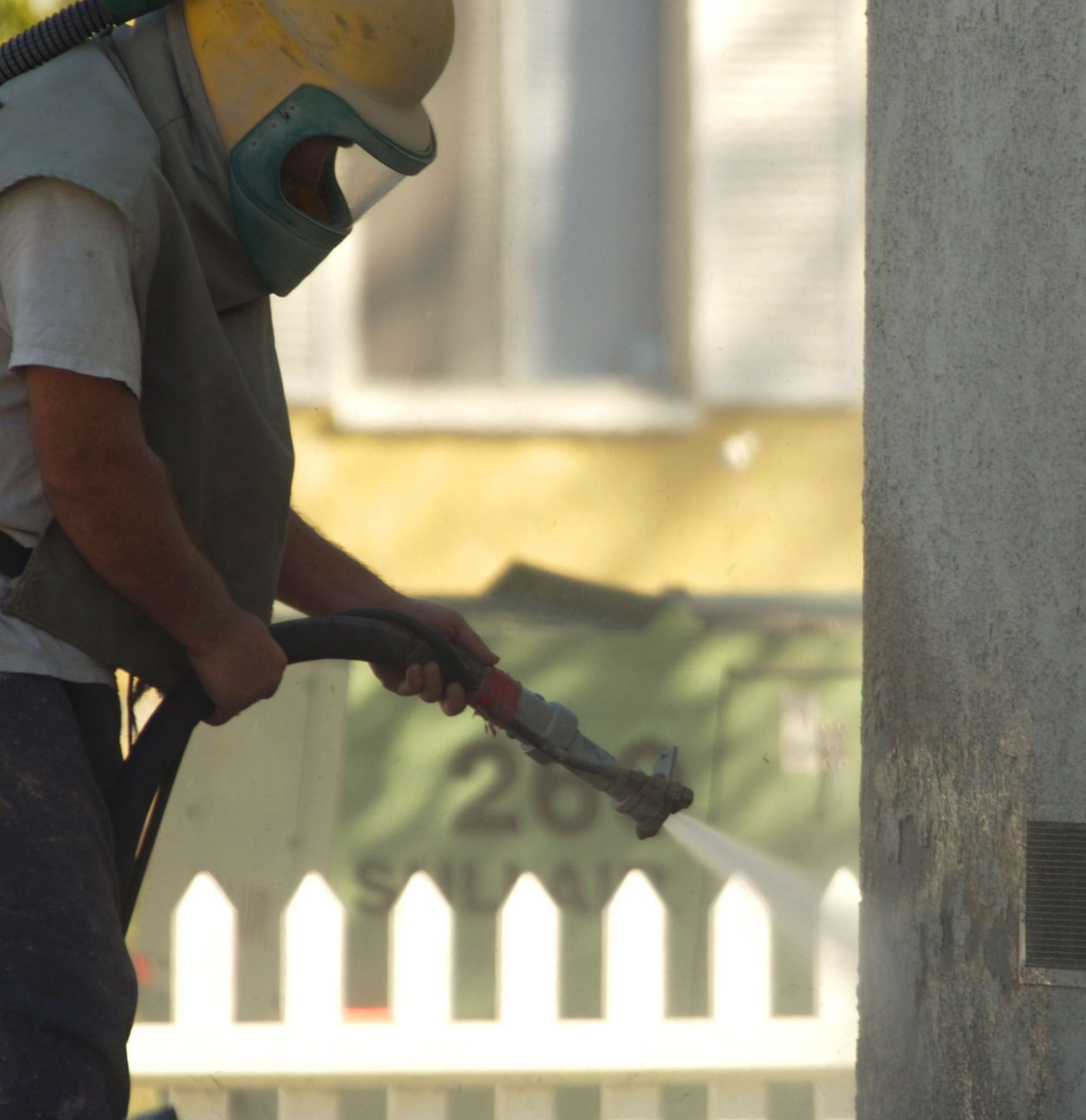
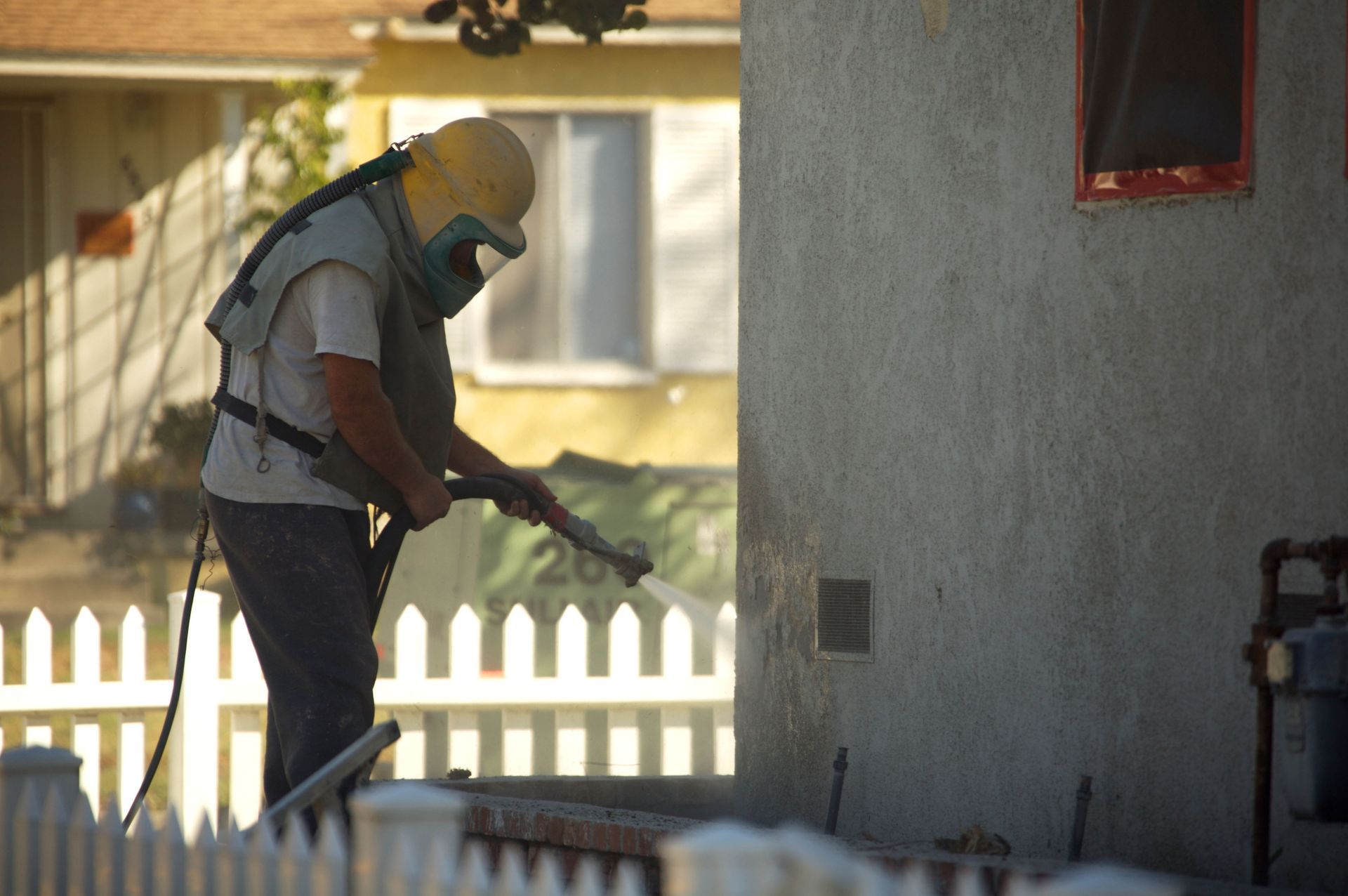
Sandblasting can produce airborne particles and waste materials that must be handled responsibly. A reputable contractor follows strict environmental guidelines, uses containment systems, and disposes of waste properly. Safety protocols protect workers, nearby structures, and surrounding communities. Verifying a company’s commitment to safety and environmental responsibility helps reduce legal risks and promotes responsible project execution.
Researching Local Sandblasting Companies
Create a Shortlist of Potential Contractors
Start by compiling a list of potential service providers in your area. Referrals from industry professionals, contractors, or past clients offer valuable insight. Online business directories and trade associations also help identify reputable options. Having multiple candidates allows for meaningful comparison and increases the likelihood of finding a local sandblasting company that meets your specific requirements.
Review Online Presence and Reputation
A company’s website often reflects its professionalism and transparency. Look for clear descriptions of services, safety practices, and project experience. Online reviews provide insight into customer satisfaction, reliability, and problem resolution. While occasional negative feedback is normal, consistent issues may signal red flags. Strong online credibility often correlates with dependable service quality.
Consult Industry Professionals and Associations
Industry experts and trade associations can offer additional guidance when selecting a contractor. These organizations often maintain lists of certified or vetted companies. Speaking with professionals familiar with sandblasting standards helps identify reliable providers and avoid underqualified operators. Their insight adds another layer of confidence during the selection process.
Evaluating Experience and Expertise
Verify Certifications and Credentials
Certifications demonstrate a company’s commitment to safety, training, and industry standards. Credentials confirm that technicians are qualified to operate specialized equipment and follow best practices. Always request proof of certifications and verify them when possible. Working with a credentialed local sandblasting company ensures higher quality workmanship and regulatory compliance.
Review Industry Experience and Past Projects
Experience matters when dealing with complex or high-risk surfaces. Companies with extensive industry experience are better equipped to handle challenges and adapt to unexpected conditions. Reviewing past projects and case studies helps confirm whether a contractor has completed work similar to yours. Proven experience reduces uncertainty and increases confidence in the final outcome.
Assess Equipment and Technical Knowledge
Modern sandblasting equipment improves efficiency, consistency, and safety. Companies that invest in updated technology demonstrate commitment to quality and innovation. Ask about the equipment used and whether it aligns with current industry standards. Advanced tools allow contractors to complete projects more accurately while minimizing environmental impact and cleanup requirements.
Evaluate Workforce Training
A skilled workforce is essential for successful sandblasting projects. Regular training ensures technicians remain current with evolving safety regulations and blasting techniques. Well-trained staff reduces the likelihood of errors, accidents, or surface damage. A company that prioritizes employee education often delivers more reliable and consistent results.
Verifying Licenses and Insurance
Confirm Business Licensing
Valid business licenses indicate compliance with local regulations and professional standards. Licensing ensures that the company operates legally and meets minimum operational requirements. Always request documentation and confirm its validity with the appropriate authorities. This step protects you from engaging with unregulated or unreliable contractors.
Ensure Workers’ Compensation and Liability Insurance
Insurance coverage is critical for protecting both clients and workers. Workers’ compensation insurance covers injuries sustained on the job, while general liability insurance protects against property damage or third-party claims. Verifying insurance policies minimizes financial risk and demonstrates the contractor’s commitment to responsible operations.
Understand Bonding Requirements
Bonded contractors provide an additional layer of protection by guaranteeing project completion according to contractual terms. Bonds offer recourse if work is unfinished or fails to meet agreed standards. Choosing a bonded local sandblasting company adds security and reinforces accountability throughout the project.
Requesting and Comparing Quotes
Obtain Detailed Written Estimates
Written estimates clarify project scope, costs, and timelines. Comprehensive proposals should outline labor, materials, equipment, and cleanup responsibilities. Comparing estimates from multiple providers helps identify fair pricing and service inclusivity. Detailed documentation also reduces the likelihood of disputes later in the project.
Analyze Pricing and Service Value
While cost matters, selecting the lowest bid may compromise quality or safety. Evaluate what is included in each quote and how it aligns with your project needs. Value-driven decisions balance affordability with experience, reliability, and long-term results. Transparent pricing structures often indicate trustworthy service providers.
Assessing Communication and Reliability
Evaluate Responsiveness and Transparency
Clear communication sets the foundation for a successful project. Prompt responses, thorough explanations, and consistent updates demonstrate professionalism. Contractors who communicate openly are more likely to manage expectations effectively and address issues before they escalate.
Review Scheduling Flexibility and Timeliness
Availability and adherence to timelines influence project efficiency. Reliable contractors respect schedules and allocate appropriate resources to meet deadlines. Reviewing past performance helps determine whether a company consistently meets deadlines.
Gauge Problem-Solving Abilities
Unexpected challenges can arise during sandblasting projects. Companies with strong problem-solving skills adapt quickly and implement solutions without compromising quality. A proven ability to manage obstacles ensures smoother project execution and better overall outcomes.
Selecting the right local sandblasting company requires careful evaluation of experience, credentials, safety practices, and communication standards. Understanding your project needs, verifying qualifications, and comparing detailed estimates help reduce risk and improve results. With thorough research and informed decision-making, you can confidently partner with professionals who deliver quality workmanship, regulatory compliance, and lasting value for your project. For more information, contact K & S SandBlasting today.